
Frequently Asked Questions
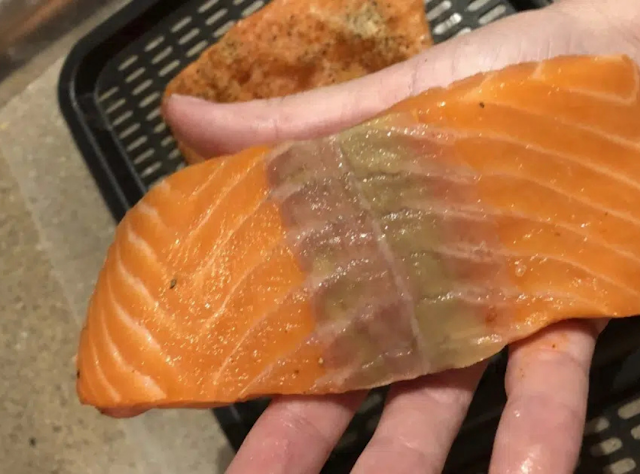
Q: Can I eat salmon with a yellow tint if it passes the smell test?
A: Yes, in most cases. If the fish smells fresh, feels firm, and shows no other signs of spoilage, the yellow tint is likely oxidized fat or natural variation. Trim discolored areas if desired, then cook thoroughly.
Q: How long can I keep salmon in the freezer?
A: For best quality, consume frozen salmon within 3–8 months. It remains safe beyond this timeframe if stored at 0°F (-18°C), but flavor and texture may decline.
Q: Does cooking destroy any potential bacteria in questionable salmon?
A: Cooking to an internal temperature of 145°F (63°C) kills most harmful bacteria. However, if the fish shows clear signs of spoilage (sour smell, slimy texture), discard it—cooking won’t reverse spoilage or eliminate all toxins.
Q: What’s the difference between freezer burn and spoilage?
A: Freezer burn causes dry, discolored patches but doesn’t make food unsafe. Spoilage involves bacterial growth, indicated by sour smells, slimy textures, or off flavors. When in doubt, throw it out.
Q: Can I prevent oxidation by adding lemon juice before freezing?
A: While acid can slow oxidation slightly, it’s not a reliable preservation method for freezing. Proper airtight packaging and timely consumption are far more effective.
Q: What about that white stuff on cooked salmon?
A: The white substance (albumin) is a harmless protein that coagulates during cooking. It’s safe to eat, though some prefer to wipe it off for appearance. Cooking at lower temperatures can minimize its formation.
