
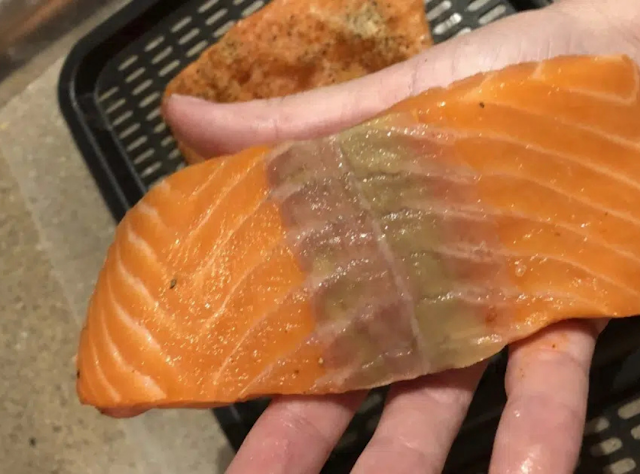
Getting the Most Out of Your Salmon: Prevention Tips
Here are a few practical strategies to prevent that yellowish tint from becoming a recurring problem.
Seal Properly
Make sure your salmon is sealed airtight before freezing. Vacuum-sealed packaging works wonders, but if you don’t have one:
Wrap tightly in plastic wrap, pressing out as much air as possible.
Place the wrapped fillet in a freezer-safe bag, removing excess air before sealing.
Double-wrap for extra protection if storing long-term.
Label and Date
Always mark when you froze the salmon to keep track of how long it’s been in there.
Use a permanent marker or freezer labels.
Include the cut type (fillet, steak) and weight if helpful.
The USDA recommends consuming frozen fish within 3 to 8 months for best quality.
Rotate Stock
If you buy salmon in bulk, try to use the older fillets first, keeping a “first in, first out” mentality.
Place newer purchases behind older ones in the freezer.
Keep a simple inventory list on your freezer door if helpful.
Plan meals around items nearing their optimal storage time.
Thaw Safely
Proper thawing preserves quality and reduces oxidation risk.
Thaw in the refrigerator overnight (best method).
For quicker thawing, seal the fish in a plastic bag and submerge in cold water, changing water every 30 minutes.
Avoid thawing at room temperature, which can promote bacterial growth.
